
Those associated with paint shops in this case. . .
By Gary S Vasilash
While there is a considerable—and justified—amount of attention paid to tailpipe emissions, there is also plenty of spew associated with the production processes that create those cars and trucks.
Like when the vehicles are painted.
You know how fresh paint has a pungent fragrance?
That is generally the result of things like volatile organic compounds that are not particularly good for the environment.
So in automotive paint shops there are measures taken to clean the exhaust before sending it out the smoke stacks (a.k.a, chimneys).
This includes running the exhaust through a bed of ceramic media that is at very high temperatures—as in 1,000 degrees Celsius.
To get those temps natural gas is usually deployed for the ovens.
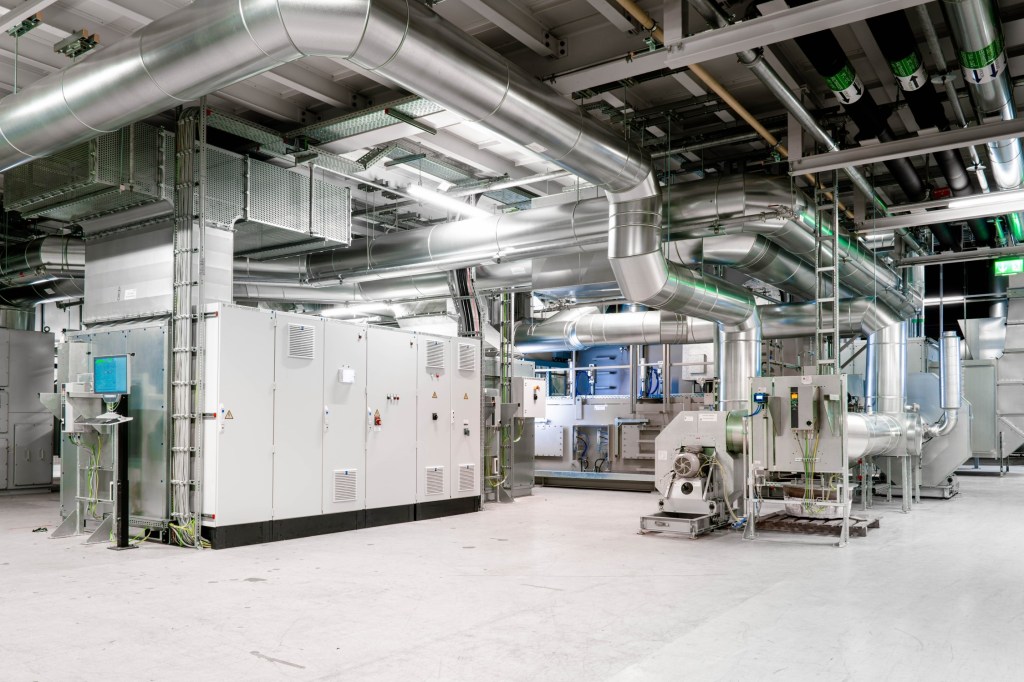
BMW has completed testing on a method that uses electricity from renewable sources to achieve these temperatures.
It’s called eRTO—for “electric regenerative thermal oxidation).
Says Michele Melchiorre, head of Production System, Planning, Tool Shop, Plant Construction at BMW Group:
“For other energy-intensive paint shop processes, such as vehicle drying and water heating, solutions already exist for working without natural gas. So, electric exhaust purification is the final steppingstone for the BMW Group to run its paint shops on regenerative energy in the future.”
And that future is pretty much now in BMW plants in Germany and China, where eRTO is working along side the natural gas process.
Next year, a new BMW Group plant in Debrecen, Hungary, will have eRTO only.
 shinymetalboxes