
It was a niche then and it is a niche now. But that’s not for not trying. . .
By Gary S. Vasilash
You may recall Lordstown Motors, the company that built the Endurance electric pickup truck.
That truck is notable because each of its wheels was fitted with a motor. Hub motors, the company argued, are more efficient than having an additional mechanical system that takes the power from a motor and routes it to the wheels.
In 2023 Lordstown Motors filed for bankruptcy. It announced in January that it has emerged from bankruptcy with a new name, Nu Ride.
However, the Endurance pickup assets had been acquired by Steve Burns. That truck is now under the umbrella of LandX Motors.
A curious thing about that is while it touts the truck platform and hub motors, the LandX Motors site doesn’t say much about the availability of the truck or any of the other “electric vehicles that will change the future of mobility.”
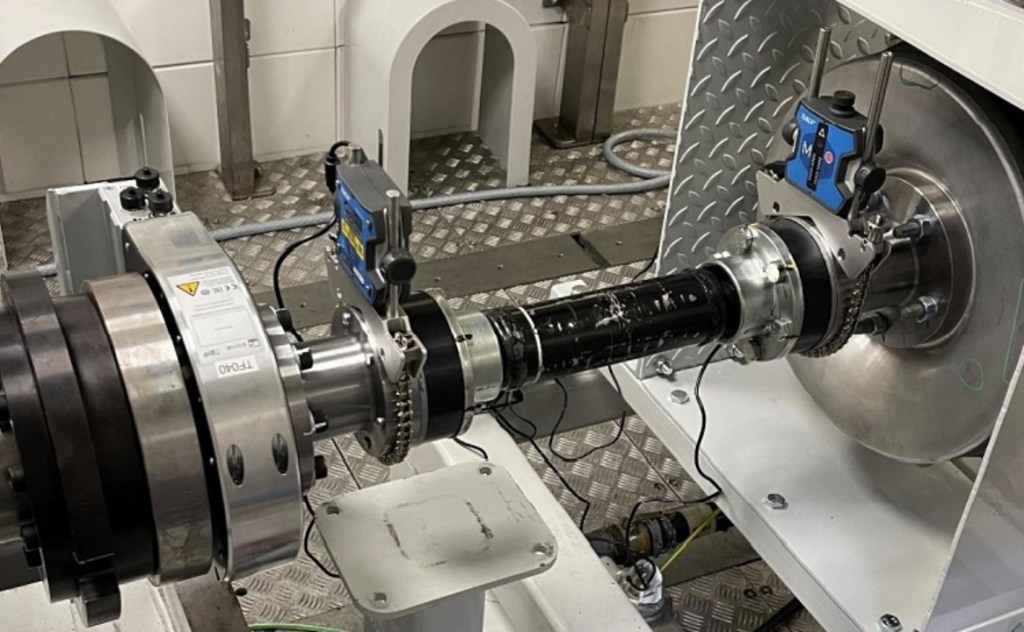
The Endurance came to mind because UK-based Protean Electric announced that its generation five in-wheel motor has been “developed and validated for mainstream automotive applications, meeting 15 years and 300,000 km durability requirements.”
The motor, fitted in an 18-inch wheel with an integrated inverter, can produce 1,500 Nm peak torque.
According to Protean’s Stephen Lambert, chief technology officer, the motor has been “exposed to severe shock, vibration, thermal cycle, sand, dust, water, and chemical contamination.”
While in-wheel motors are an intriguing tech, the implementation of Protean Electric products is still limited.
One clever deployment is by a UK-based company, BEDEO, which offers its “Reborn Electric” retrofit solution for diesel vans (think things like the Ford Transit). Presumably the motors are somewhat easier to integrate than having a large motor on the front and/or rear axle and the related gear train.
 shinymetalboxes