
By Gary S. Vasilash
When it comes to discussions of electric vehicles, the topics seem to be, in order of frequency:
- Tesla. Anything. Mileage recalculations. Musk’s recreational habits. Labor issues. Massive number of vehicles being sold (which actually doesn’t get the attention that it should: when you subtract Tesla vehicle sales from electric vehicle sales, things don’t look quite as bullish as one might think).
- GM. Mainly its failure to produce notable volumes. For 2023 it delivered 9,154 Cadillac LYRIQs, 483 Chevy Blazer EVs, 461 Silverado EVs, 3,244 HUMMER EVs, 14 Zevo 400s, and 483 Zevo 600s (the last two are commercial vehicles). That is a total 13,838 vehicles. Out of 2,594,698 sold.
- Ford. One thing is the refocus on hybrids. The other thing is the changing prices for the F-150 Lightning, with the recent notable rise in MSRP. You might have imagined that when the vehicle launched the perceived demand was such that they would have quickly hit economies of scale that would cause prices to, well, not rise. For 2023 it sold 24,165 Lightnings, which is excellent in the context of GM. But when you take into account the total 750,789 F-Series trucks sold, that’s about 3%.
A company that gets little attention is BMW when it comes to EVs.
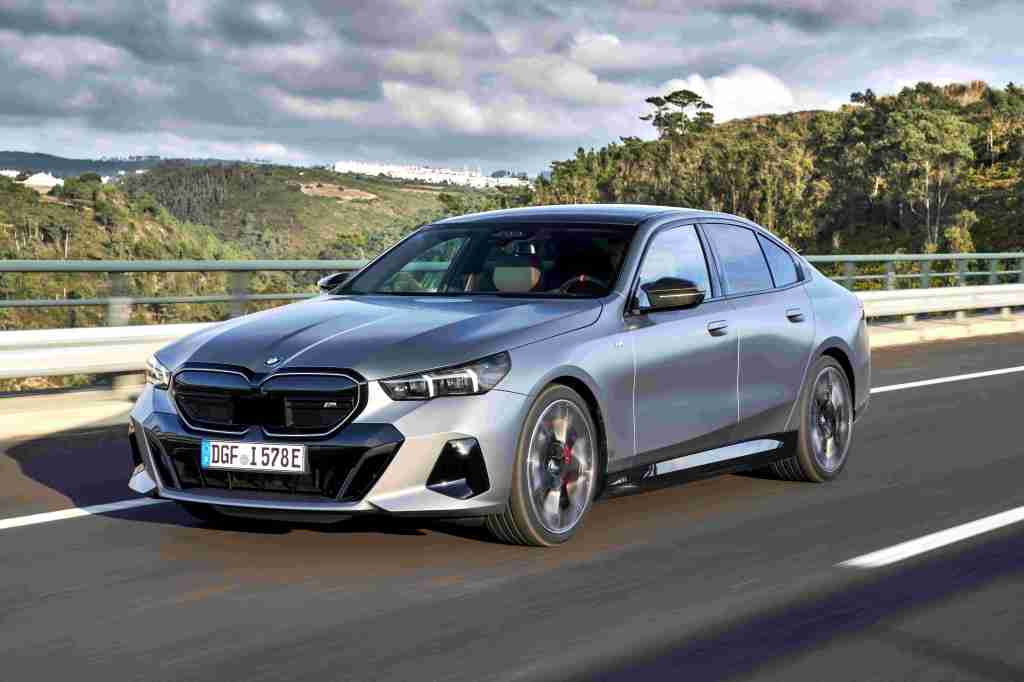
Which is surprising given that in 2023 it delivered 45,417 EVs into the U.S. market.
That’s more than the GM EV sales and the Ford Lightning sales combined (38,003).
BMW 2023 EV sales account for 12.5% of its total sales.
If the number of plug-in hybrids BMW sold in 2023 (25,318) are added in to the EV number (so the number of “electrified vehicles”), it is 70,735 or 19.5% of BMW’s total sales in the U.S.
Those are some big numbers for BMW.
Seems like the lack of discussion isn’t keeping people from buying the company’s EVs.
 shinymetalboxes