
Sleek, statement-making and fun to drive. . . .
By Gary S. Vasilash
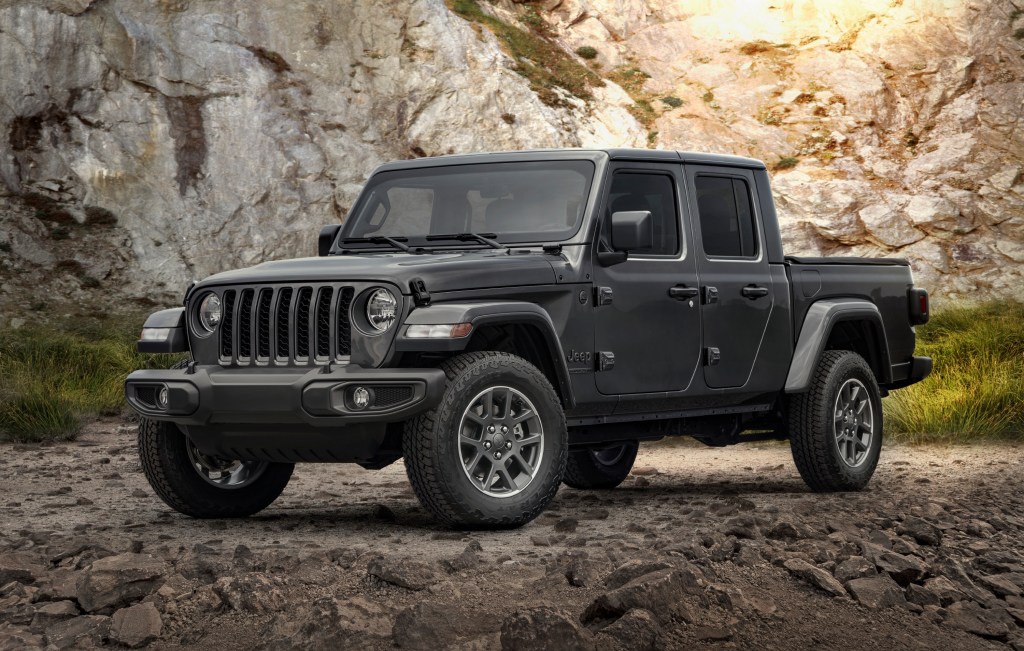
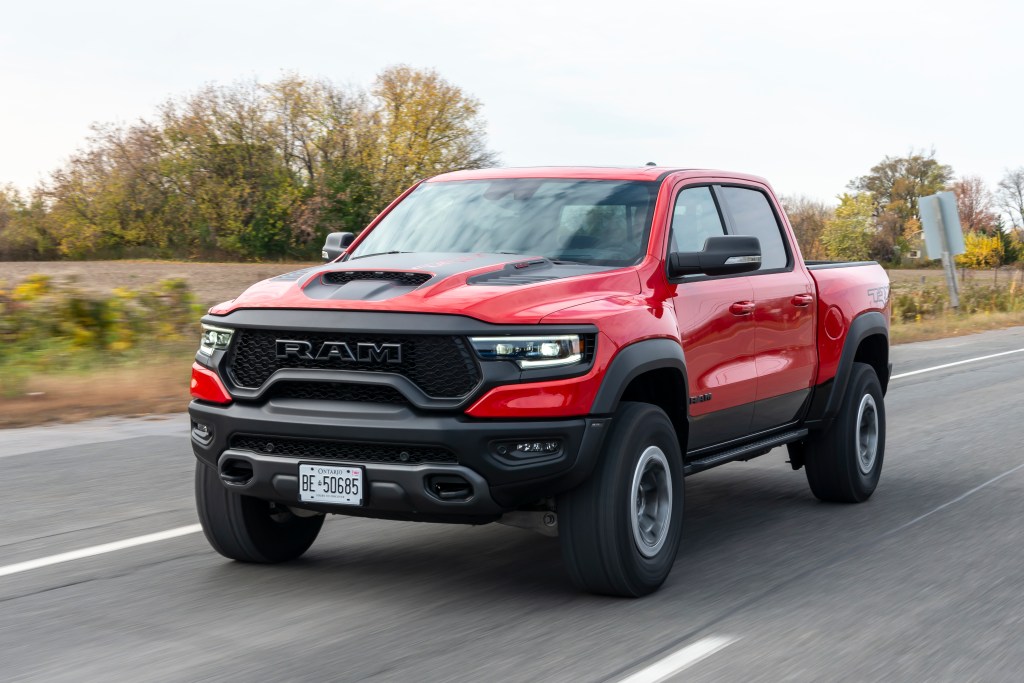
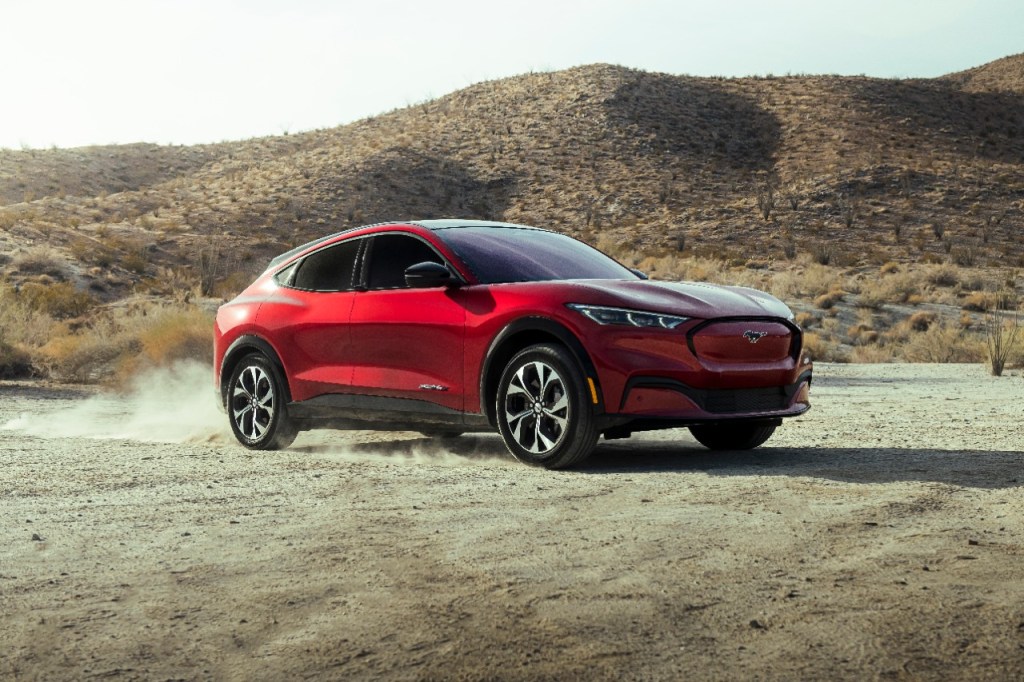
In 2025, some 76% of the vehicles sold in the US were either light trucks—as in those things with boxes on the back—or SUVs—as in things that are either bodies-on-frames that can actually drive under more demanding (sometimes sporty) conditions or vehicles that are exceedingly car-like in their underpinnings although a bit higher than cars such that they seem more robust when, in many cases, they aren’t what they seem.
Yes, if you have four vehicles sold in 2025 next to one another, three of the light truck/SUV variety and one in the car category, then there is a 100% chance there will be two adjacent light trucks/SUVs and a 50% chance there will be three light trucks/SUVs in consecutive order.
This isn’t a recent development. People have been buying these bigger or higher vehicles for the past few years. They are now familiar with them. Comfortable with them. Accepting of them.
And they don’t realize that “them” probably subtract significantly from the pleasures of driving.
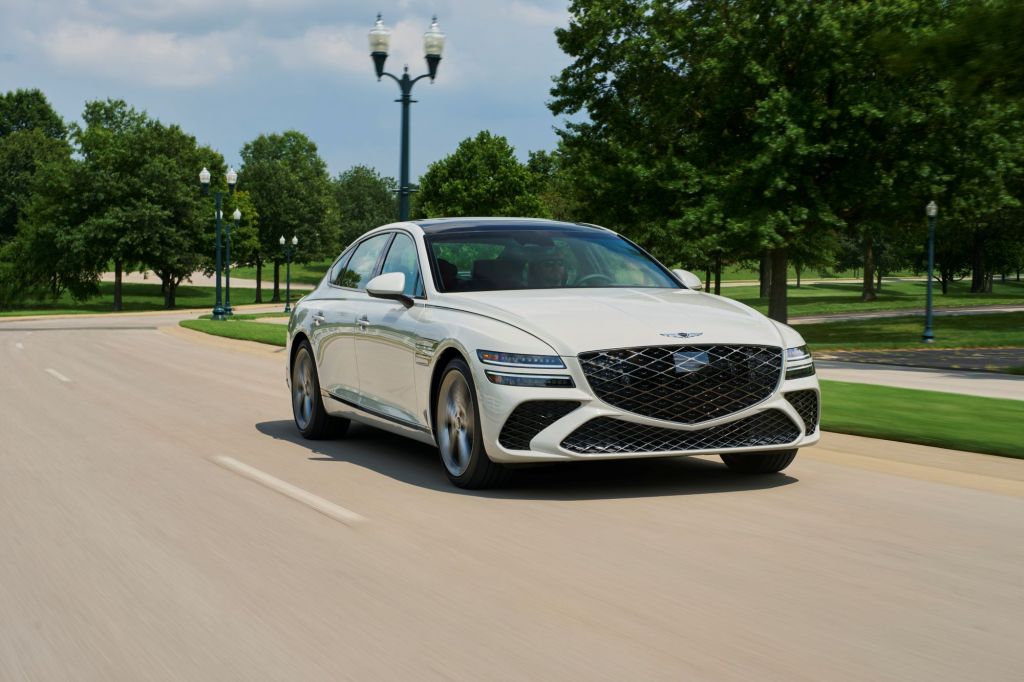
The Genesis G80 is a sedan. In the 3.5T Sport Prestige it is a sport sedan.
On the exterior it has stylish lines that many SUV designers can only wish they could active on the skin of their vehicles:
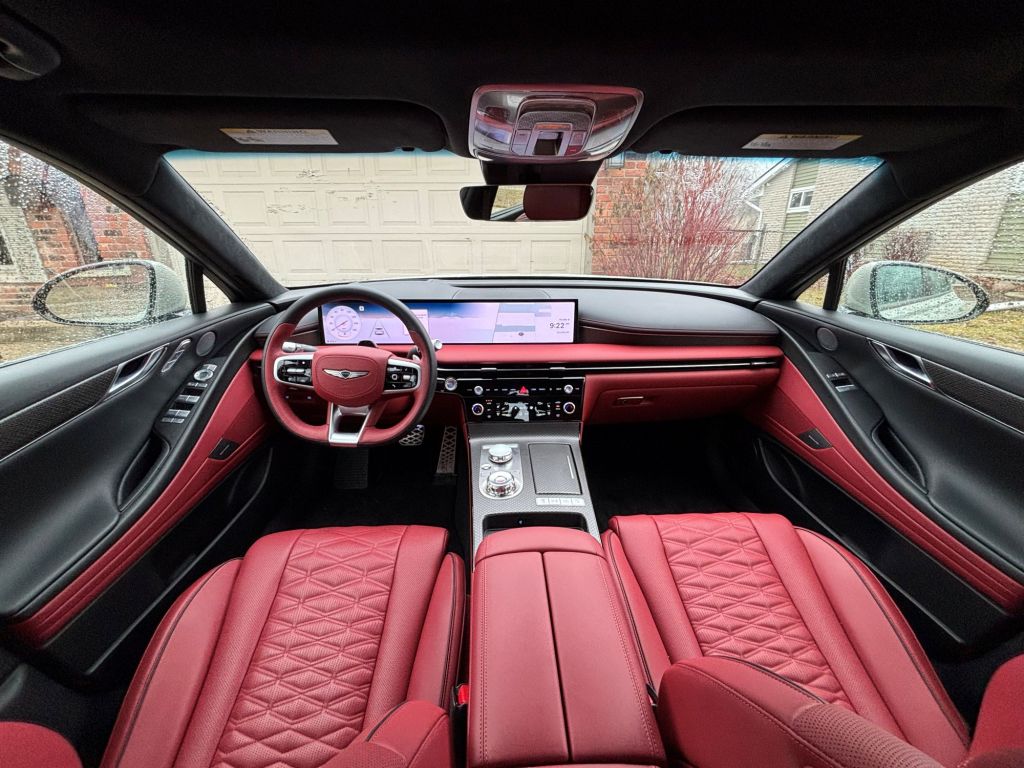
On the interior it has a look that is certainly not something you’re going to find in a whole lot of vehicles of any configuration.
Look—there’s red Nappa leather, quilted seats, not the usual desaturated colors that are found inside vehicles of all varieties:
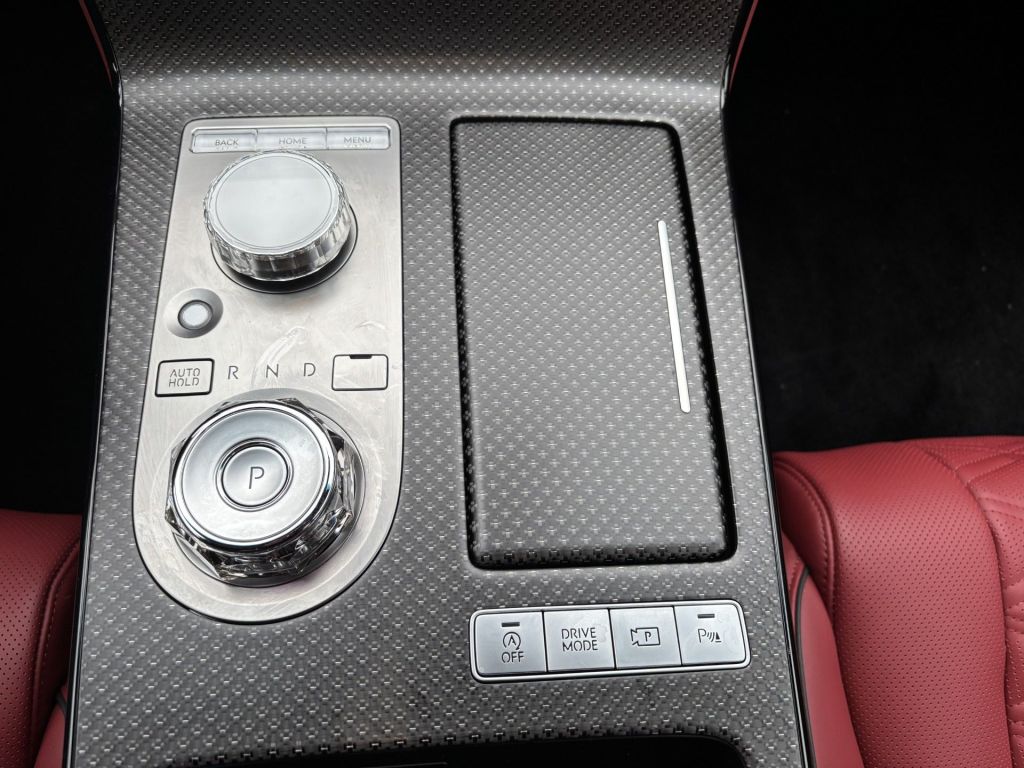
And also look—there isn’t what simply “appears” to be carbon fiber material used for the trim: that is the real stuff, not the result of hydrographic printing:
What’s more, the vehicle is enjoyable to drive.
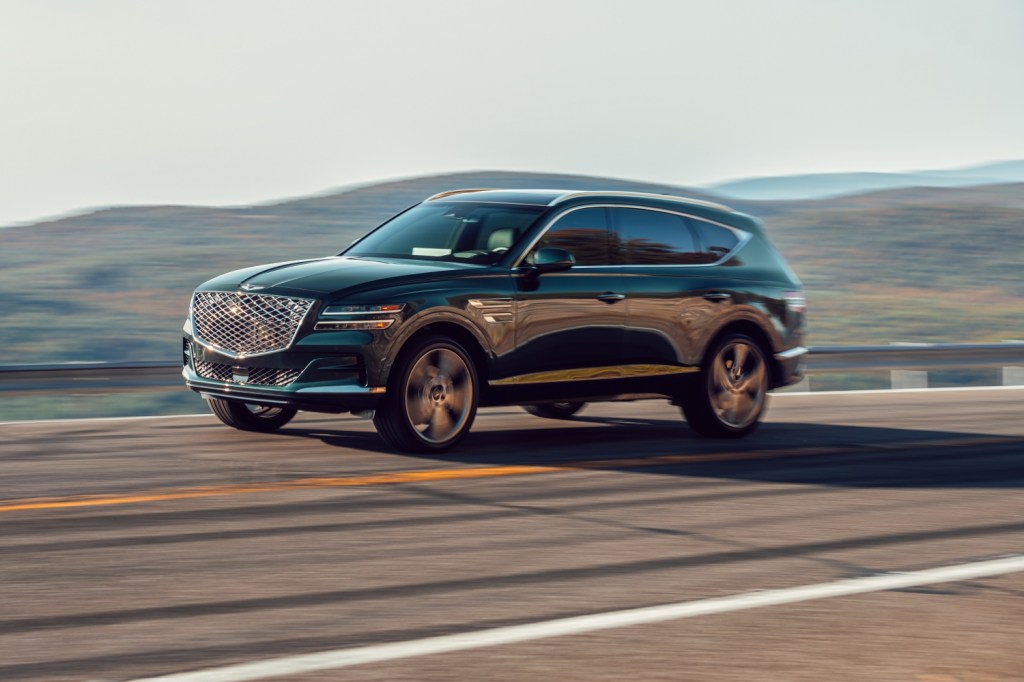
Yes, you are sitting lower than you would be in an SUV (like, say, the GV80: yes, Genesis has on offer SUVs, too).
Which means you are closer to the surface you are driving on, which provides a better sense of where you need to be pointing your vehicle.
As this model so happens to have AWD and 375-hp (there is a twin-turbo V6 under that long hood), it provides the stuff needed—and I should also mention that this package has a rear limited-slip differential and rear steering—to put the car where it needs to be among the behemoths that are likely surrounding you as you drive.
And on the subject of being surrounded by what is largely a sea of sameness (if we just consider the number of pickups sold in 2025 by Ford and GM it is on the order of 1.8 million so odds are there is a truck in the lane next to you), the number of G80s sold in the US in 2025 was rather small (on the order of 4,000 units), which is great for you if you get one (sameness is something you won’t be about), but not so good for Genesis and its retailers.




 shinymetalboxes