
What’s in a name? Plenty.
By Gary S. Vasilash
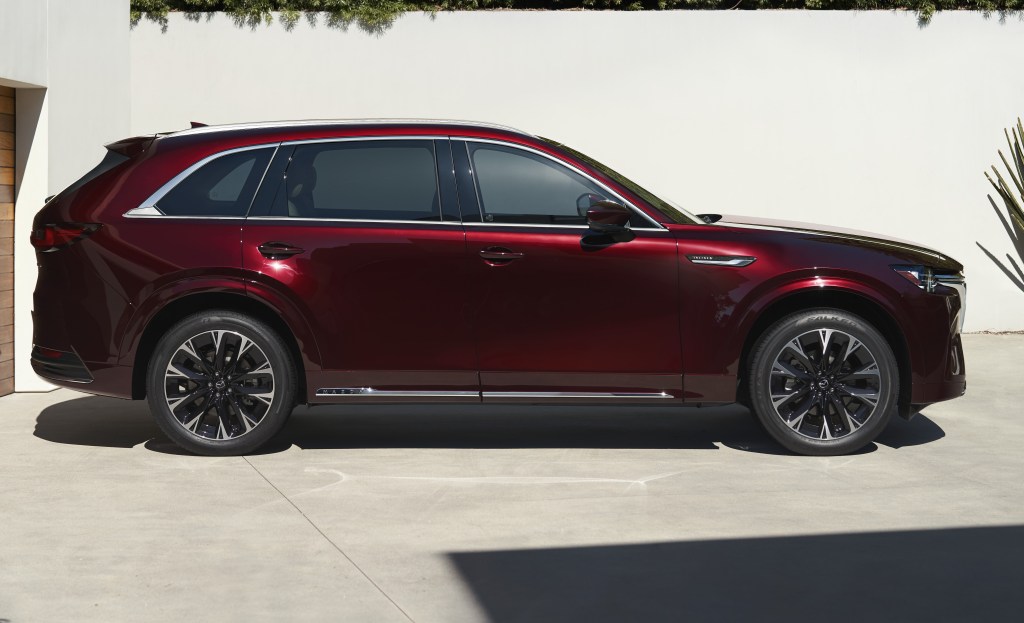
A slightly unusual aspect of the 2026 Mazda CX-70 3.3 Turbo S Premium is the name of the 2026 Mazda CX-70 3.3 Turbo S Premium.
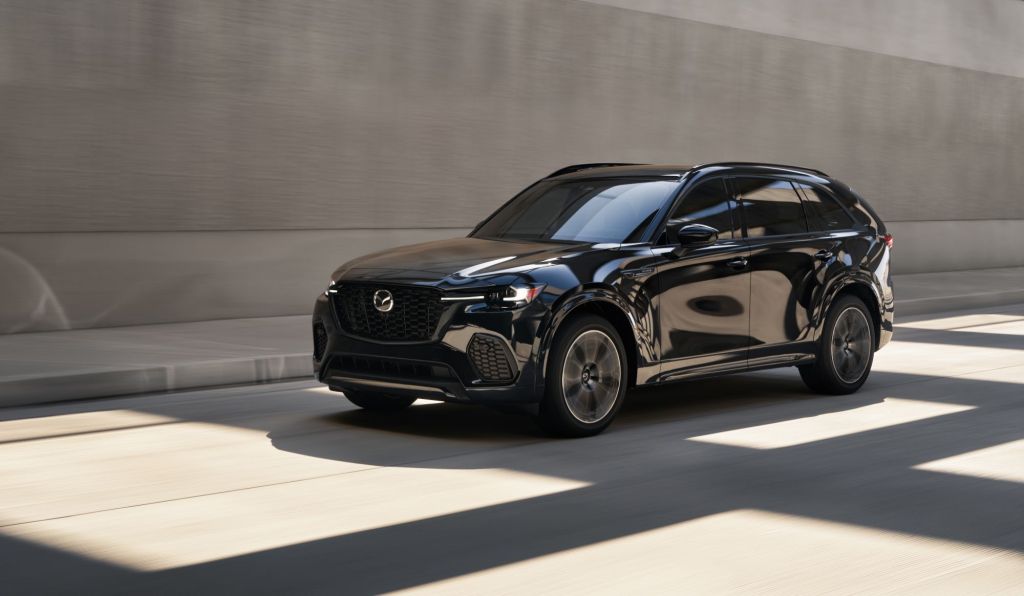
Not the CX-70 part because that’s the naming nomenclature that Mazda uses for its vehicles. Alphanumerics rather than names.
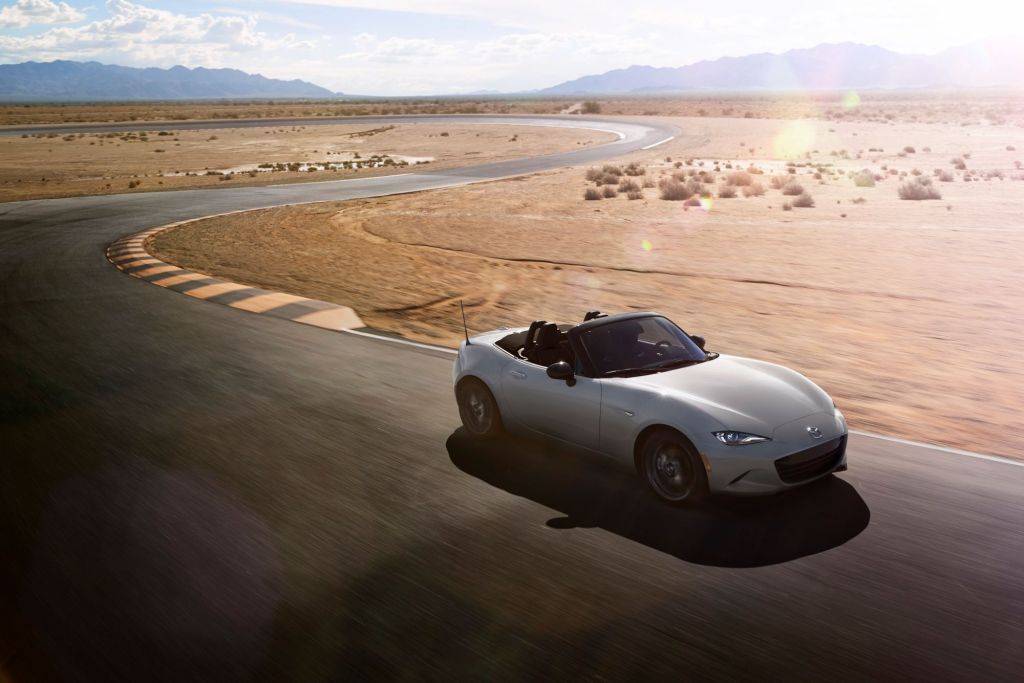
There is one exception. The Miata. Its “official” name is the “MX-5 Miata.” Initially the third-generation of the sports car was labeled simply “MX-5.” That didn’t last long and the word was reapplied.
But I digress.
No, the thing that seems odd about this handsome, two-row crossover’s name is that it includes a truncated designation for the vehicle’s engine.
The engine’s full name is the “e-SKYACTIV-G 3.3 inline six turbo.”
So the model includes the amount of displacement (3.3), which probably means very little to anyone who is in the market for a family-oriented crossover, and the fact the engine is turbocharged, which carries more meaning.
Perhaps this is in keeping with what, say, a BMW does with its naming approach, which also includes a number for displacement.
But the CX-70 is not the sort of thing that would get cross-shopped with a BMW.
It just isn’t.
And the Mazda that could be cross shopped with a BMW by an enthusiast, the MX-5, doesn’t stick to that approach. The name refers to “Mazda Experimental Project – Number 5.”
///
It might be a better idea if the name of the vehicle included “AWD,” as in “all-wheel drive.” All CX-70 models come with it.
I think that would be something to shout about.
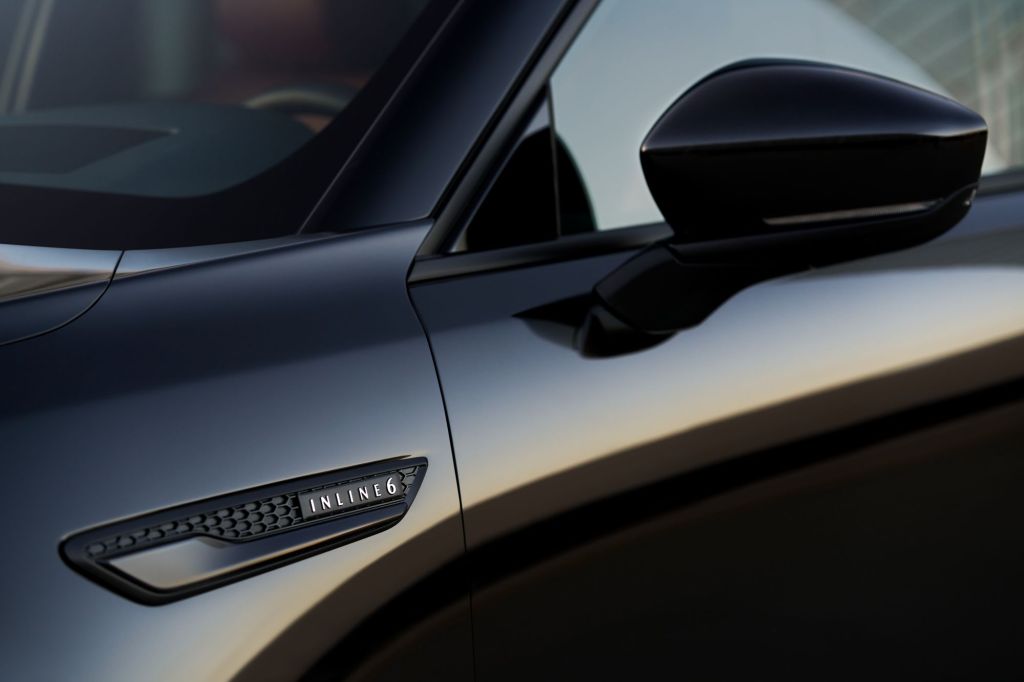
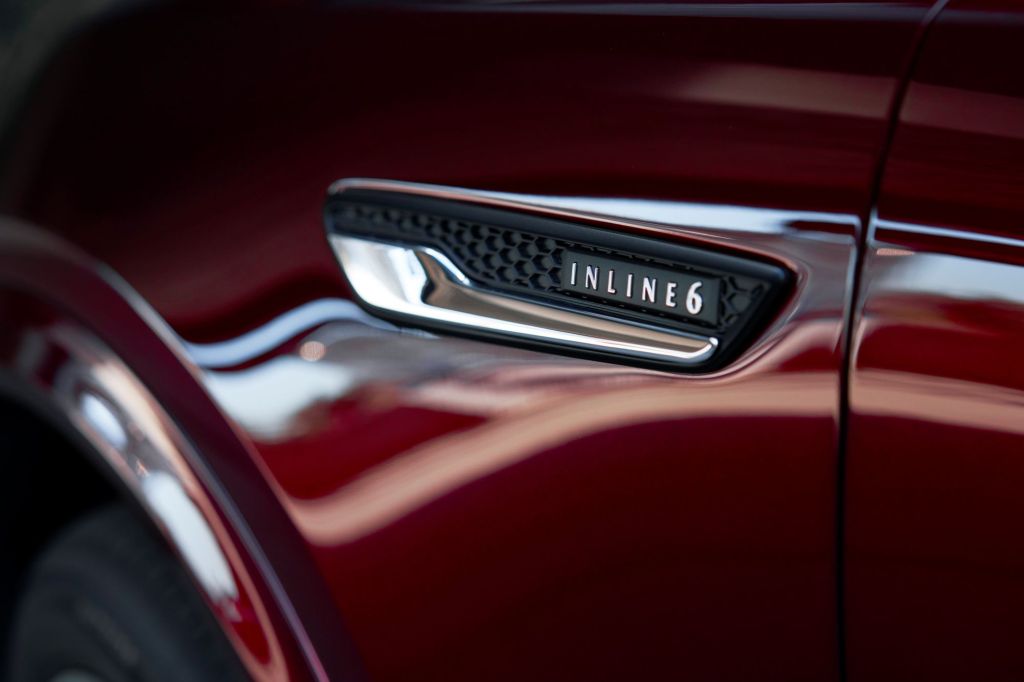
Instead, Mazda goes so far as to put an “INLINE 6” badge on the front left quarter panel.
Do people who are shopping for a midsize SUV know what that means?
Do they know that the long engine block provides for superior mechanical smoothness than a V-block?
Do they know there is an improvement in things including exhaust gas flow?
Do they care?
And if they do care, would they care more about AWD?
///
Another thing that’s not indicated by that name is that the 340-hp engine (non-S CX-70s produce 280 hp) happens to be a mild hybrid. It features “M-Hybrid Boost.”
Which is to say that it is a 48-volt system that supplements performance when accelerating from a stop and improves the smoothness of the engine restart during stops.
It also provides a bit of oomph at the other end: when you are on the throttle, hard.
And it is said to improve miles per gallon, which are EPA estimated 23 city, 28 highway and 25 mpg combined.
///
Unless the model you happen to be looking at is fitted with Mazda Genuine Towing Accessories you might not know that the CX-70 3.3 Turbo S Premium can tow.
Capacity: 5,000 pounds.
///
There is another number that would be important for someone in the market for a two-row, five-person crossover:
39.6.
That’s the number of cubic feet of cargo capacity with the second row in place for use.
Fold it down and there are 75.3 cubic feet.
Again, a displacement number may be of interest to a handful of people.
A cargo capacity number is of interest to a whole bunch.
///
One of the things about Mazda is that it has an earned reputation for nimbleness in ride and handling.
This is something widely hailed, especially by auto journalists.
The CX-70 is 200.8 inches long, 78.5 inches wide, and 68.2 inches high. It has a 122.8-inch wheelbase.
The multilink suspension system does its job well.
But this is not something you’re going to throw through corners like an MX-5 or even Mazda3 (a name that also has nothing to do with powertrain nor with anything someone outside of a carspotter would be interested in knowing about. Trust me.).
///
Another number to know about the 2026 Mazda CX-70 3.3 Turbo S Premium: base MSRP is $53,240.
///
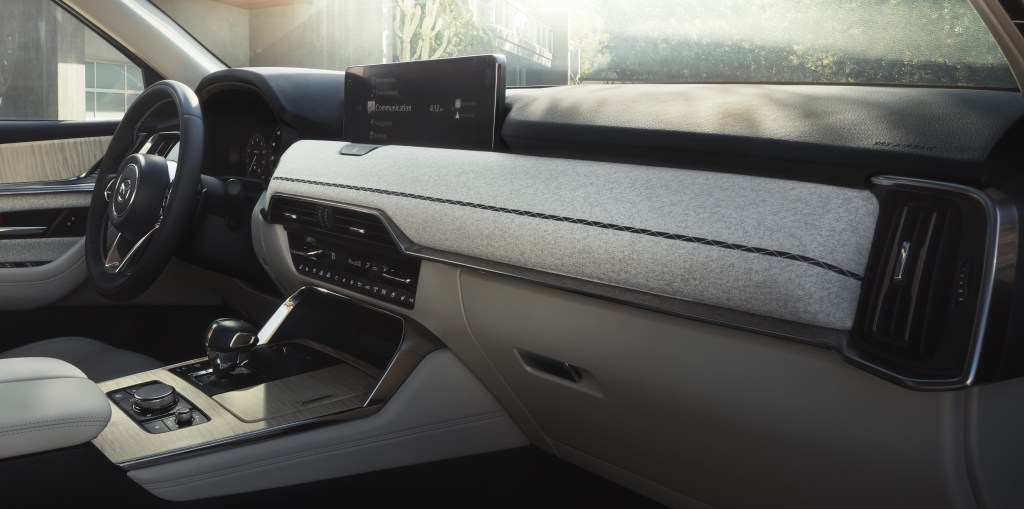
The “Premium” part of the name designates that, especially on the interior, this is a model with the goods, standard.
Like Nappa leather seating that’s heated and ventilated up front. (In the back just heated.)
Bose 12-speaker audio.
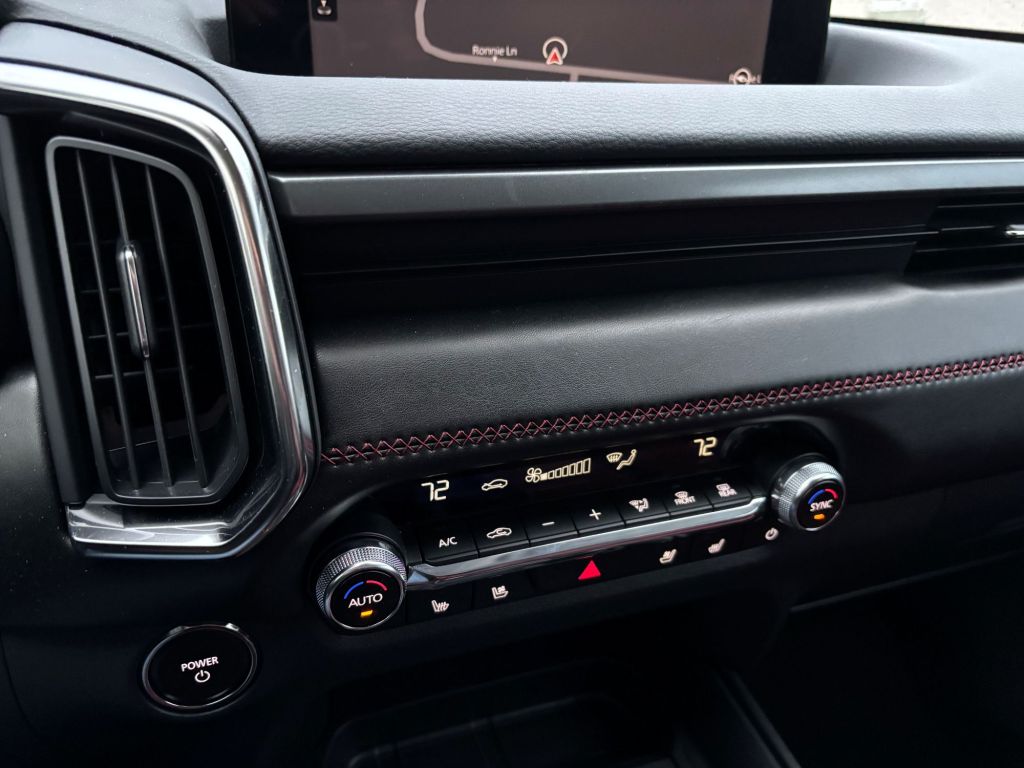
A 12.3-inch infotainment screen that can be used for the wireless Apple CarPlay and wireless Android Auto.
There’s a vast suite of safety tech, including some that is not widely found, like “Smart Brake Support Rear with pedestrian detection”—yes, the sensors will alert the brakes should something untoward seem to be happening.
///
There is a vast array of branding companies out there that might add a little something to the name of this vehicle because looking at the vehicle and then looking at how it is doing in the market indicates to me that there are a whole lot of people who are overlooking a good thing.



 shinymetalboxes