Is the Volkswagen Beetle British?

On December 27, 1945, the vehicle known as the Volkswagen Limousine went into production at the VW plant in Wolfsburg, Germany. The vehicle was internally known—and better known—as the “Type 1.”

(Images: Volkswagen)

But here’s an interesting aspect about the production of the vehicle that had been originally developed for the National Socialists (a.k.a., Nazis). The car, then known as the “KdF-Wagen,” wasn’t exactly built in quantity: By the end of World War II, only 630 had been manufactured. The Wolfsburg factory was used to build bombs, not Beetles.

While there had been plans to demolish the Volkwagenwerk GmbH following the end of hostilities, a factory that had been badly damaged but not destroyed, the British, which had trusteeship, decided that they could put the plant to work.

Under the direction of Senior Resident Officer Major Ivan Hirst, the factory was retooled to build the car. The British Military Government put in an order for 20,000 vehicles in August 1945.

Building Beetles (Type 1) in Wolfsburg

By the end of the year, 55 cars were built.

Starting in 1946 the production rate was approximately 1,000 per month. By 1947 the vehicles were being exported.

By the time the VW Beetle went out of production in 2003, 21,529,464 vehicles had been produced (15.8-million in Germany).

Were it not for British major Ivan Hirst, it could have been an entirely different story.

Abarth Sets World Record (Not What You’d Think)

Abarth, the performance brand of FCA (which is not to say Alfa Romeo isn’t, but it is somewhat more refined), established a Guinness World Record on December 19.

No, this wasn’t some feat of driving like an agitated bat-out-of-hell (or this would more appropriately be a poked scorpion-out-of-same).

Rather, on “Abarth Day,” the Abarthisiti, who would otherwise show up at a venue where they would show off their shiny metal, met virtually.

(Image: Abarth)

And the record they set was this: the Abarth enthusiasts uploaded 868 photos of their cars to a specially created Facebook page in one hour.

While it would seem that 868 photos per hour isn’t exactly head-snapping (one assumes, for example, that were the fans of K-Pop’s BTS do the same they would accomplish that in a matter of microseconds), it evidently is a record.

Congratulazioni.

2021 NACTOY Finalists Announced: The Top 9 Vehicles Introduced This Year

The 50 jurors* of the North American Car, Truck and Utility of the Year (NACTOY ) awards—50 people who work for a variety of outlets, so these are manifold perspectives, not that of just one brand—have announced their list of finalists for the 2021 awards, which will be presented in Detroit on January 11. (Actually, they will be presented virtually, given the prevailing pandemic conditions. And while on that sad subject—the pandemic, not the presentation—it is worth noting that this year was a particularly challenging ones for the jurors and OEMs alike, as in (1) getting into a variety of vehicles and (2) launching vehicles.)

So here are the vehicles that have made the short list (in alphabetical order, lest someone read something into the order).

Car of the Year

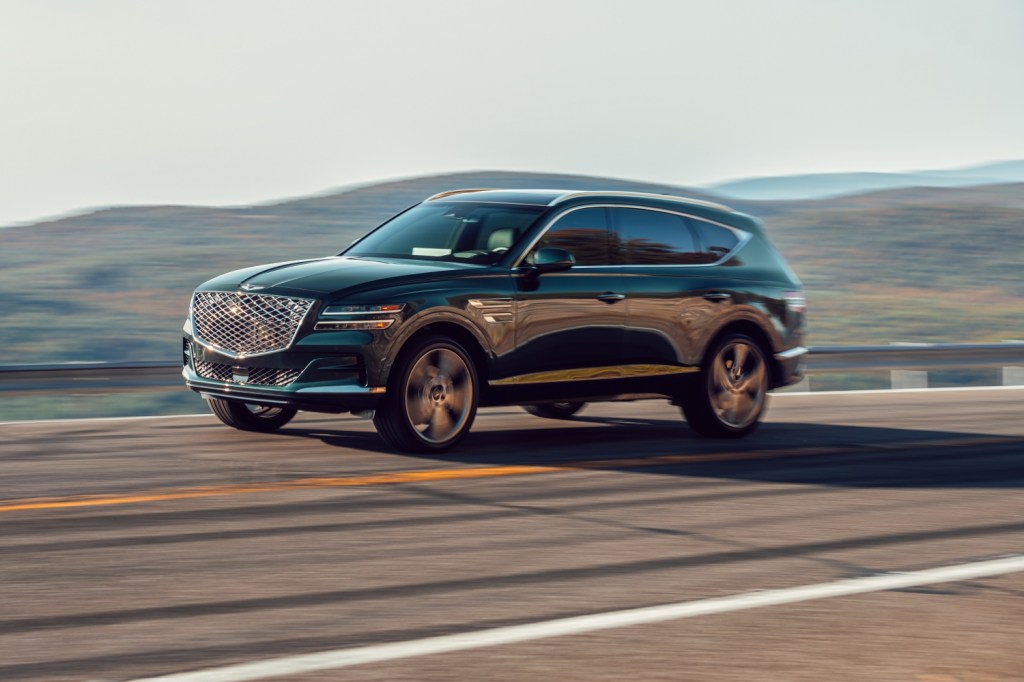
Genesis G80: the still-young luxury brand brings tech and comfort to its middle-of-the-pack offering (i.e., there are the G70 and the G90 sedans, too)

Hyundai Elantra: they didn’t just launch one version with some trims, but a “regular” one, a hybrid and a performance variant, all at once

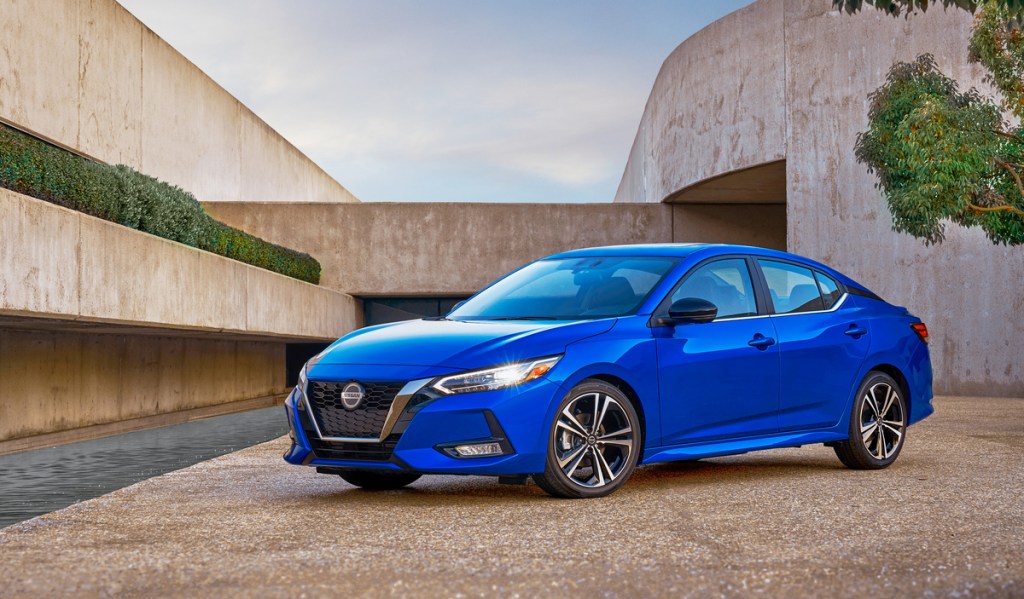
Nissan Sentra: compact cars have always had stand-out models, but this one is several dozen levels above of what you might expect

Truck of the Year

Ford F-150: given that the F-150 has been breaking sales records for decades, let’s face it—when they do a new one, they’re not going to risk the crown

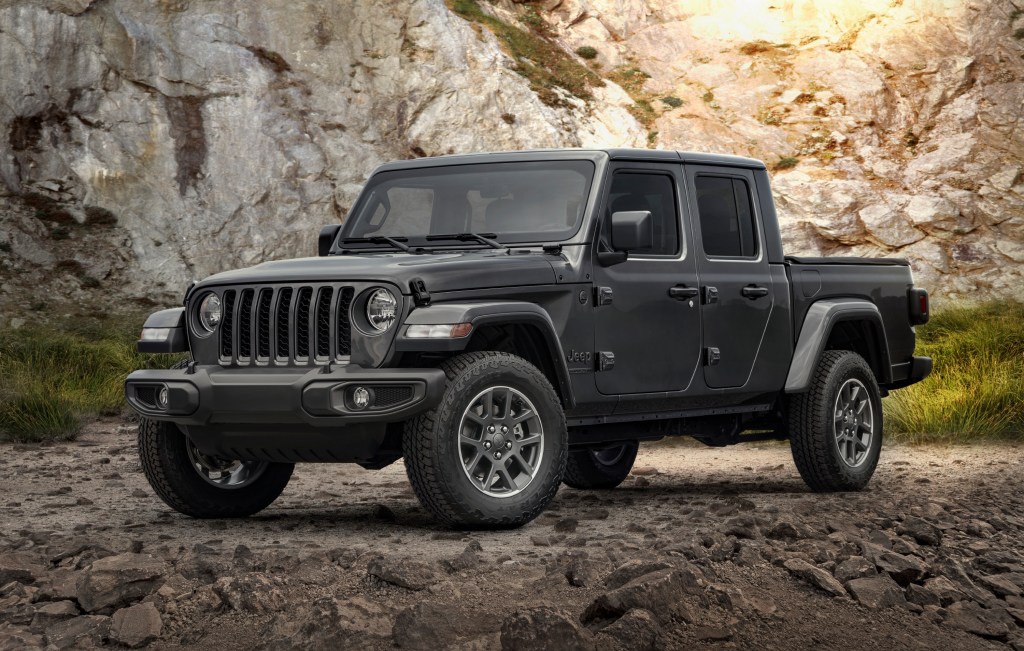
Jeep Gladiator Mojave: that name as in the desert, and while other variants of the Gladiator eat rocks, this one can handle the runs across sandy terrain

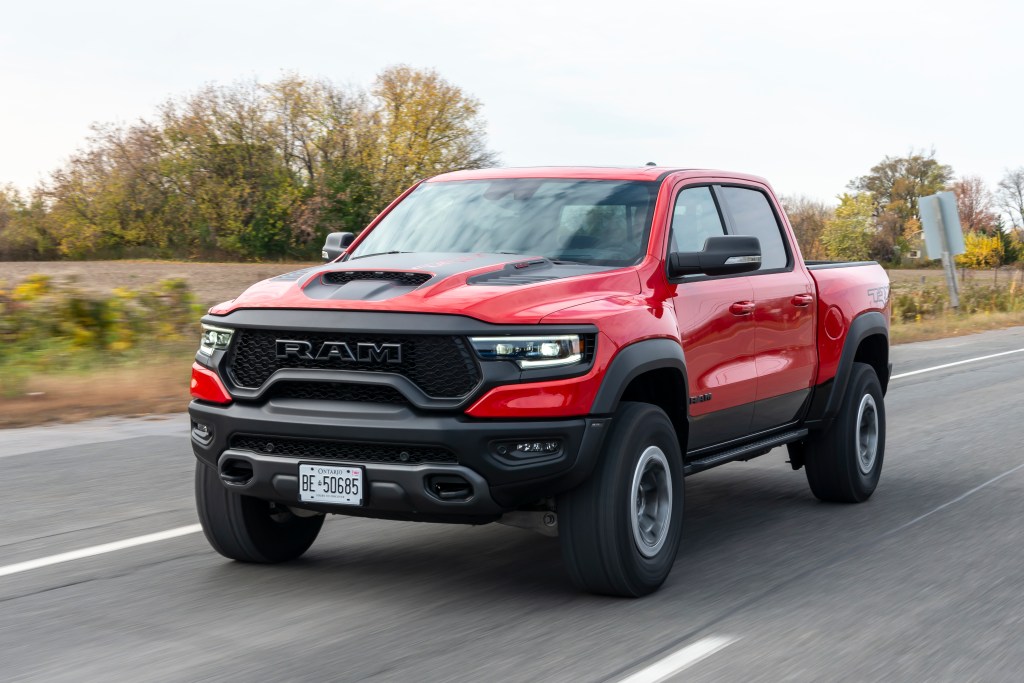
Ram 1500 TRX: take a Ram 1500, stuff in a HEMI and add a suspension system that can take on conditions that other pickup trucks wouldn’t dare get close to

Utility Vehicle of the Year

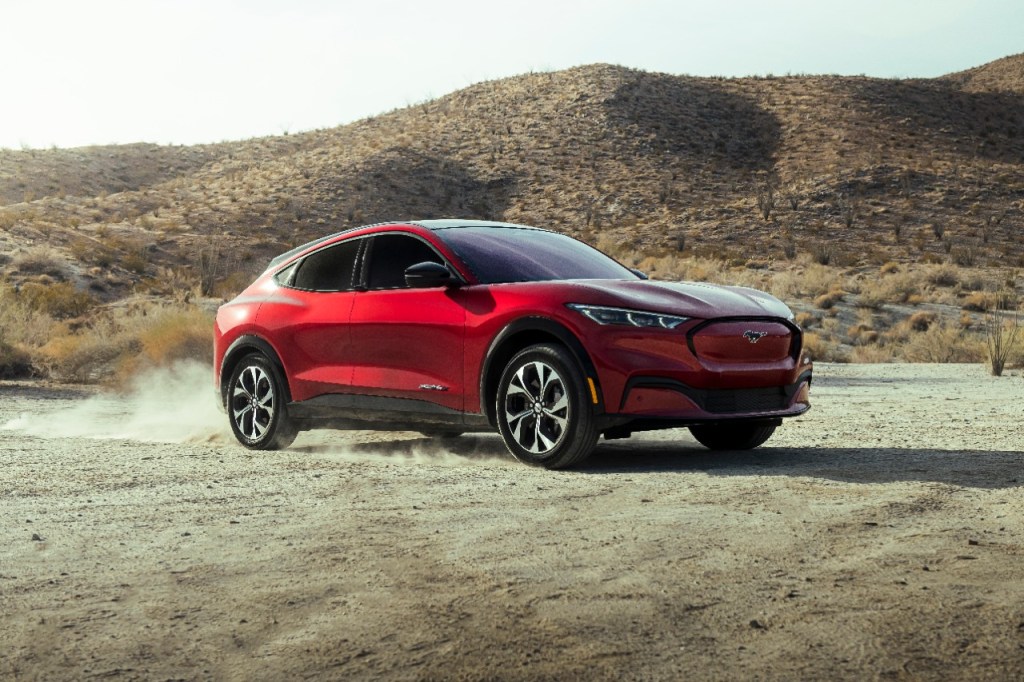
Ford Mustang Mach-E: this is arguably the first real EV to come from the North American domestic automakers—there have been others, but this one has the stuff

Genesis GV80: yes, that nomenclature is similar to the car previously mentioned, but this time it is the crossover that John Legend and Chrissy Teigen appropriately introduced in a Super Bowl ad

Land Rover Defender: not only is this a venerable marque, not only does this vehicle have the wherewithal to handle demanding conditions, but it has a design that can’t help but make you smile

*FYI: I am a juror.

GM Defense Makes Clever Sourcing Decisions

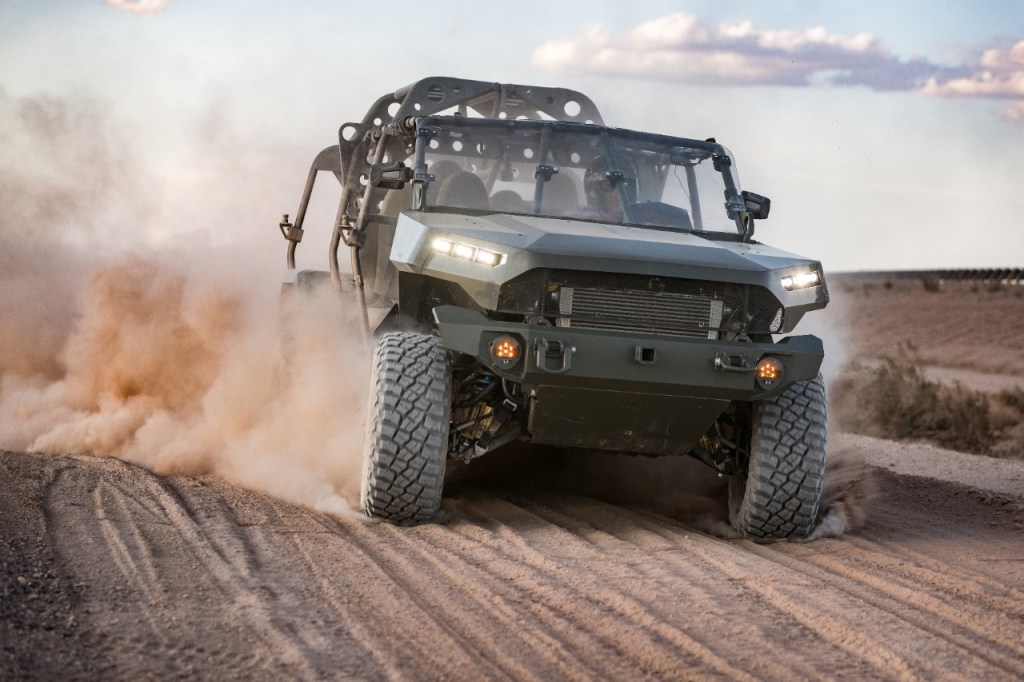
One of the interesting aspects of the Infantry Squad Vehicle (ISV), a nine-soldier all-terrain troop carrier that GM Defense will be providing to the U.S. Army as part of a $214.3-million contract received in June 2020, is that it is based on the 2020 Chevrolet Colorado ZR2.

Rather than engineering something from the ground up, GM decided that it would work to further capacitize the Colorado ZR2—which has outstanding off-road capabilities straight off the showroom floor–for military operations.

GM Defense ISV: based on the 2020 Chevy Colorado, which you can get in your local Chevy dealer. The Colorado ZR2, not the ISV. The U.S. Army is getting that. (Image: GM)

For example, even the most enthusiast off-road driver isn’t likely to have their Colorado sling loaded from a UH-60 Blackhawk helicopter or fitted inside a CH-47 Chinook helicopter.

Similarly, when looking for a place to build the ISV—the initial order calls for 649 trucks—rather than going completely greenfield, GM consulted its real estate holdings and identified a building it has in Concord, North Carolina.

Initially the building was to be a tech center, but then COVID-19 hit and GM put the idea on hold.

It has selected the building to house the 75,000-square-foot manufacturing operation to produce ISVs.

Another advantage of this site is that it is close to Hendrick Motorsports—yes, the one you may associate with NASCAR—which is providing the chrome-moly steel exoskeleton of the vehicle frame.

Again, using an existing supplier—albeit a somewhat non-conventional one when it comes to non-racing applications.

What’s more, the ISV makes use of 90% of commercial off-the-shelf parts, such as a 186-horsepower, 2.8L Duramax turbo-diesel engine, and six-speed automatic transmission.

This overall approach is commendable for its development speed, execution and, let’s face it, undoubted savings to the U.S. taxpayers.

2019 Sales Estimates and Surprises

The Cox Automotive sales forecast for 2019—yes, the full numbers will be in in a few days, but that isn’t the point here—includes some interesting information in the charts. No surprise that cars—compact and midsize—are projected to be down by double digits, though it is surprising that only the midsize SUV/Crossover is in positive territory compared with December 2018.

No, the thing that is unexpected is that once you get beyond the top four OEMs—which would be GM, Ford, Toyota, and FCA (which brings up the point that even were there such a moniker as “The Big Three,” FCA wouldn’t make the cut)—things get somewhat interesting. As in the distance between #4 and #5, Honda. FCA is projected to deliver 2.2 million and Honda 1.6 million.

Here’s the interesting bit: Nissan is projected to have sales of 1,365,900 units in 2019. Hyundai Kia (yes, the two are combined the same way that Lincoln sales go with Ford’s) is estimated to be at 1,328,788.

37,112 units separating the two.

The last two companies on the list are Subaru and Volkswagen. The former seems to rack up sales records like clockwork. Yet Subaru sales, Cox Automotive predicts, will be 703,755. Which is only about half of Nissan sales.

And while Volkswagen is getting all manner of attention because of its recovery from Dieselgate, its total sales are estimated to be 650,541 for the year. Or just 22% of GM’s sales—and while VW’s sales are projected to be up 2.5%, GM’s will be down 2.5%

UK Engine Production Suffers Because of Trade Uncertainty

The thing about trade agreements—or lack thereof—which isn’t always taken into account is that there can be huge ramifications, particularly as trade between countries is nowadays extensively linked.

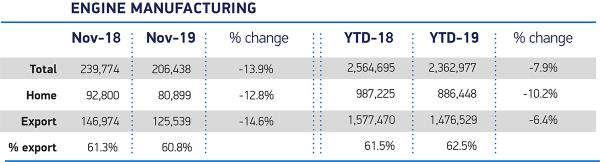
Case in point is what is going on in the UK auto engine manufacturing sector. According to the Society of Motor Manufacturers and Traders (SMMT), a trade association representing the auto industry, there was a 13.9% decline in engine manufacturing in November 2019.

SMMT

(Image: SMMT)

This is particularly notable because about 60% of the engines built in the UK are exported. And because of the “no deal” Brexit that has been in the offing these past several months, the companies on the receiving end of those engines have worked to find alternative sources.

According to Mike Hawes, SMMT chief executive,” As with UK cars and vans, UK engine production is export-led, so it is vital that certainty is provided on the nature of our future overseas trading relationships. We look forward to working with the new government to secure an ambitious fture trade deal with the EU that ensures the future competitiveness of UK Automotive.”

Good luck with that.

Year to date, incidentally, UK automotive engine production is down 7.9% compared with 2018.

GM Invests Big In Midsize Trucks

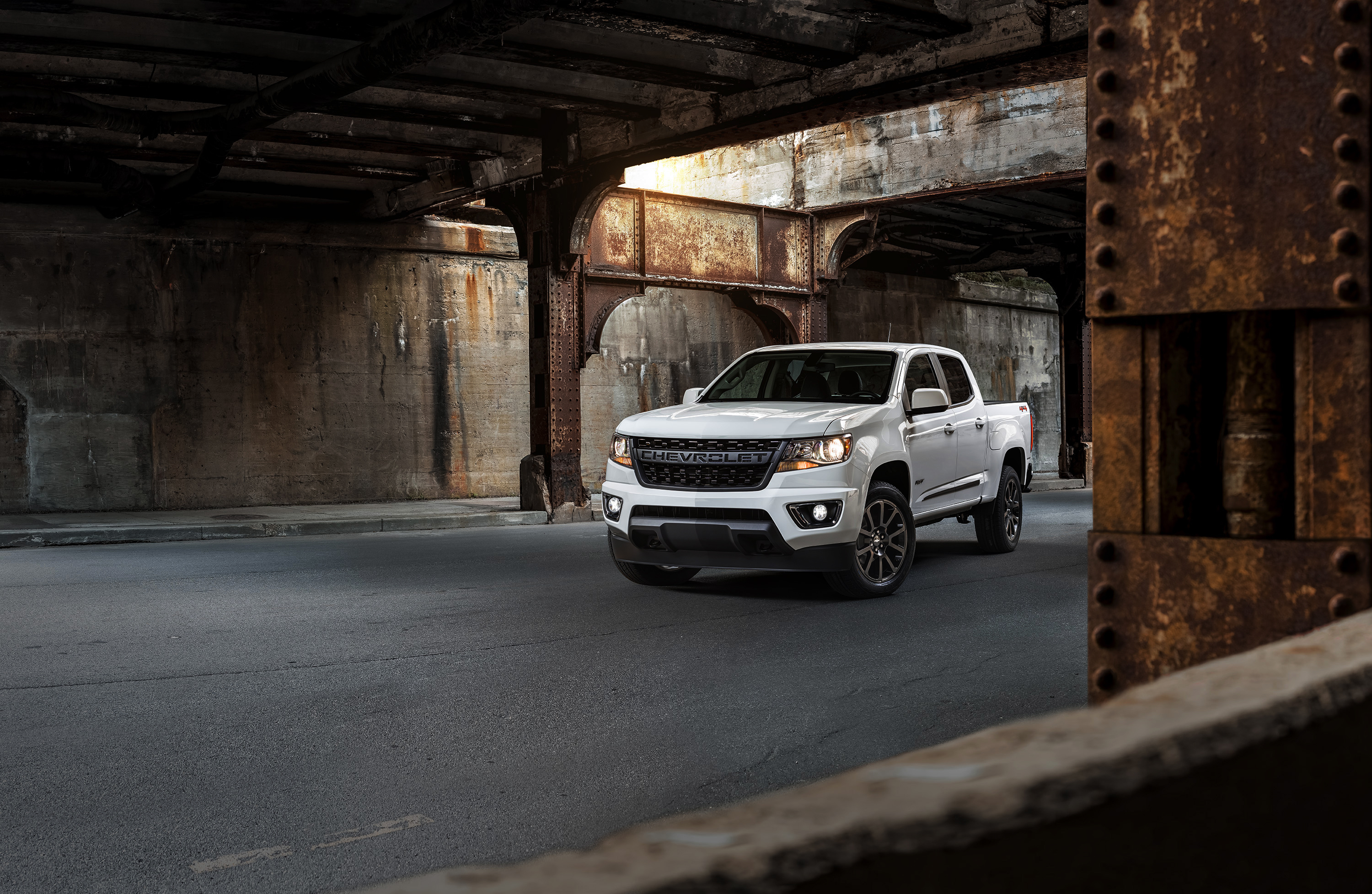
Although electrification is as important to GM as it is to any OEM, when it comes to the U.S. market, Trucks Are Kings, so it isn’t entirely surprising that the company has announced a $1.5-billion investment in the next generation of its midsize trucks, as in the Chevy Colorado and the GMC Canyon, both of which were introduced in 2013.

Of the money, $1-billion will be spent at the GM Wentzville truck plant and presumably the balance will have something to do with product development.

Explained GM president Mark Reuss, “This is part of our comprehensive strategy to invest in growth areas and strengthen our U.S. manufacturing base. GM sells more pickups than any other automaker and we have aggressive plans to build on our strengths.”

While that sales is true in the aggregate, to be fair, if sales through the third quarter are looked at and the subject is midsize pickups, then know that there were 96,820 Colorados sold and 26,300 Canyons, a total 123,120, which is significantly fewer than the Toyota Tacoma: 207, 347 during the same period.

Maybe there will be an electric truck.

Maybe.

The street-focused 2019 RST is based on the LT trim and adds mon

(GM Photo)


California Breathin’

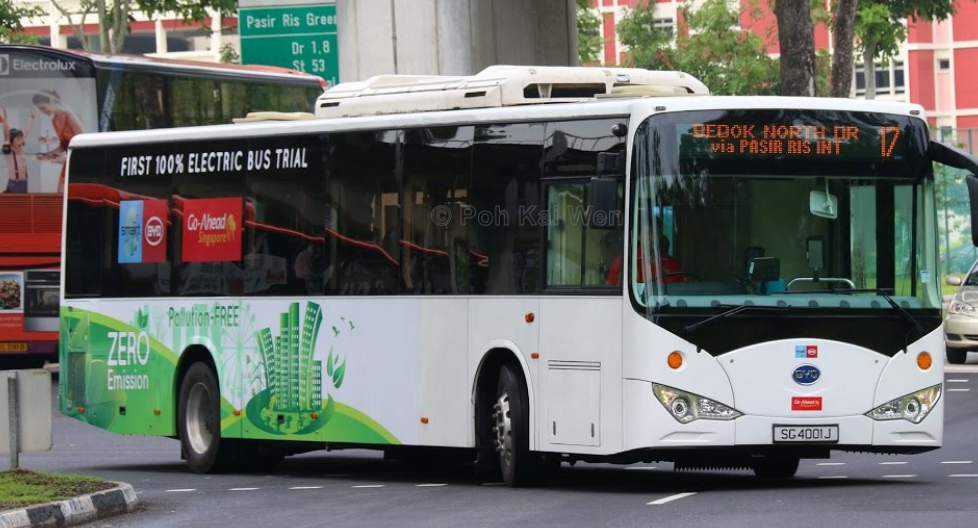
The California Air Resources Board (CARB) approved a regulation that will have public transit agencies in the state transition to zero-emission bus fleets by 2040.
According to CARB, the transportation sector accounts for 40 percent of “climate changing gas emission” and 80 to 90 percent of “smog-forming pollutants.” The uncertainty in how much of the latter—the difference between 80 percent and 90 percent is non-trivial—is a bit concerning.

The organization reckons that as the transition starts to zero-emissions public buses starts and goes beyond the point of fulfillment there will be 19-million metric tons of greenhouse gas emissions not emitted into the atmosphere between 2020 and 2050, which is said to be “the equivalent of taking 4 million cars off the road.”

BYD-Fresno
BYD bus for Fresno

According to the California Department of Motor Vehicles, there were 25,467,663 automobiles registered in the state as of December 2017, so there is still a whole lot of stuff going into the atmosphere.
A few other numbers need to be taken into account.
There are 200 public transit agencies in the state. Of the agencies, eight out of the top ten are operating zero-emission buses.
However, there are 153 of them, fewer than the number of transit agencies. And there are approximately 12,000 buses being operated in California.
CARB projects that based on orders or those that are “otherwise planned for purchase,” there will be 1,000 zero-emission buses in the state by 2020.
That means only 11,000 more over the next 20 years. Which certainly doesn’t seem insurmountable.
And reaching it will be a good thing for all who like to breathe.

Will the NSX in Orange Crush It?

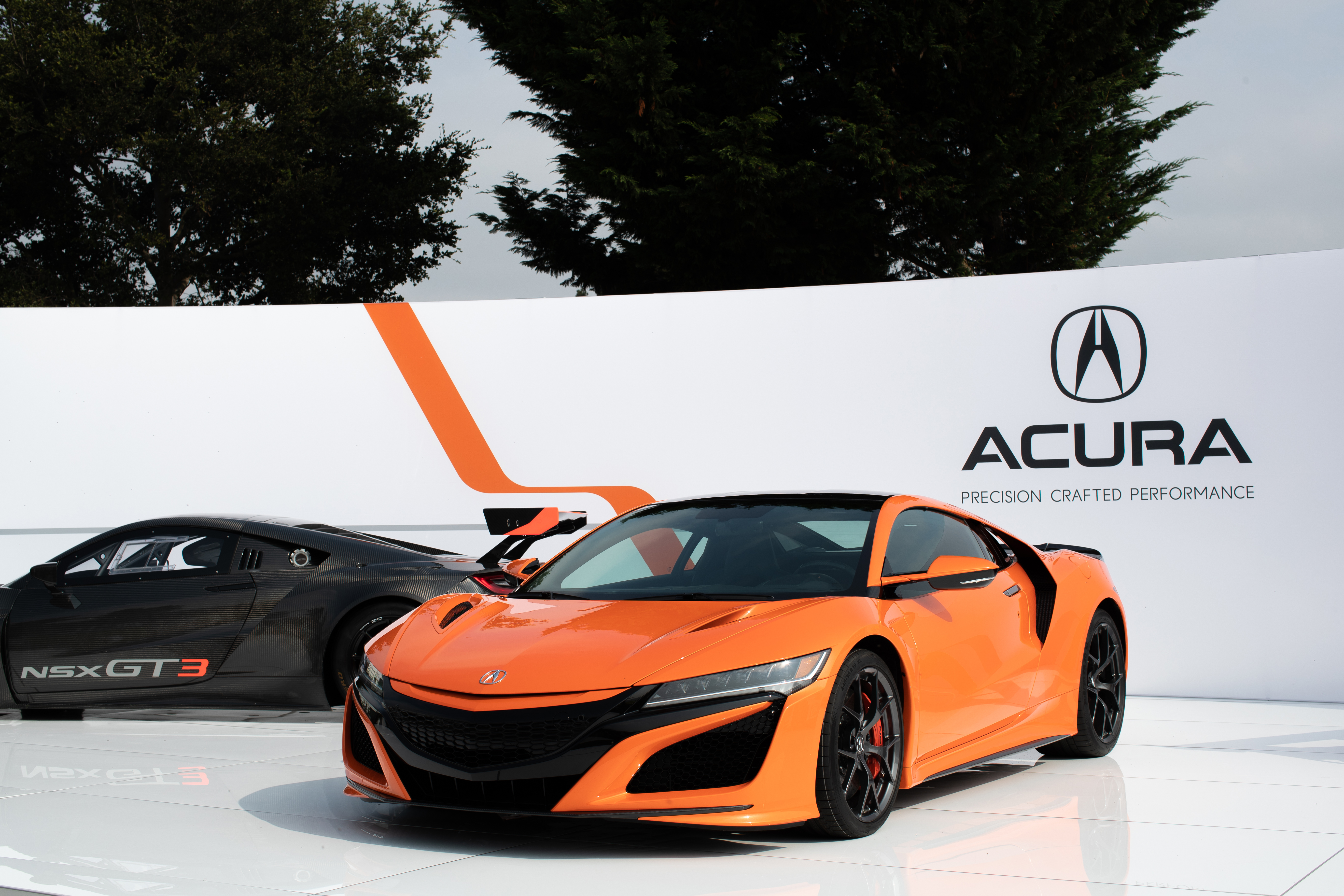
Acura, last week, during Monterey Car Week, introduced the 2019 NSX.

One of the changes is the availability of a new paint color, Thermal Orange Pearl paint.

But as this is a performance car, they’ve done things like installing stiffer stabilizer bars stiffness is up 26% in the front and up 19% in the rear)as , offering what is described as a “new grippier” tire (actually Continental SportContact 6 tires), and they’ve tweaked the software of the vehicle that features a twin-turbocharged V6, an electric direct drive motor attached to the engine and two additional electric motors, which drive the front left and right wheels. The total horsepower is 573 and the total torque is 476 lb-ft.

And while on the subject of numbers: the vehicle starts at $157,000. While that’s an increase of $1,500, according to Acura personnel, there is $4,700 previously optional content now standard. So that seems to be a win for the buyer.

Speaking of buyers, Acura could use some.

According to Acura, in July 2018 the company sold three NSX models in the U.S. That’s not a typo. For the firs seven months of the year, 96. Which sort of indicates that things are apparently lagging of late.

Will the orange paint save it?

NSX.png

Gas Guzzled

Nowadays it seems as though no one really cares much about the fuel efficiency of their vehicles (unless, of course, the people in question work at an OEM and need to meet regulations that may, in the U.S., at least, be becoming less of an issue, so these people may not care much either).

After all, the price at the pump isn’t all that high, at least so far as memory serves.

But it seems as though prices are ratcheting up, but perhaps in a way that doesn’t seem all that onerous. Yet.

According to GasBuddy, during the week preceding March 19, 2018, gas prices in Detroit rose 7.8 cents per gallon compared to the previous week to an average $2.63 per gallon.

While less than a dime isn’t much, it should be pointed out that they’ve found that the price is 14.6 cents higher than a month ago.

And 31.1 cents per gallon compared with a year ago.

Looked at nationally, things are going north, as well.

According to Patrick DeHann, head of petroleum analysis for GasBuddy, “The national average now stands at its highest level in over a month and is likely to continue moving higher in the weeks ahead as demand continues to recover from the winter blues and the transition to summer gasoline kicks into high gear.”

And here’s the real kicker: DeHann continued, “Overall, gas prices this spring will come in some 10-25% higher than a year ago, removing billions of dollars from other areas of the economy that will instead be funneled to the pump.”

Billions of dollars.